What Seattle's Super Bowl Win Reveals About Coding With AI
The best developers aren't writing every line anymore — they're composing systems from concepts. A Super Bowl-winning defensive system reveals the blueprint for building software with AI

On February 8th, 2026, the Seattle Seahawks suffocated the New England Patriots 29-13 in Super Bowl LX. The final score flattered New England — more than a third of their yardage came on two garbage-time drives when the game was already out of reach. The reality was far uglier. Drake Maye was sacked six times, threw two interceptions — one returned for a pick-six — and lost a fumble on a strip-sack. The Patriots offense couldn't get a first down after the opening quarter until a defensive holding call gifted them one. Seattle's defense demolished New England.
The architect of that demolition was 38-year-old head coach Mike Macdonald, the youngest head coach in the NFL when Seattle hired him before the 2024 season. Macdonald redesigned how defenses are taught. When he took over as defensive coordinator of the Baltimore Ravens in 2022, he inherited a blitz-heavy, play-memorization system and threw it out. In its place, he introduced something he described to other coaches using the analogy of a slot machine: a modular system where instead of learning hundreds of discrete plays, players learned roughly eight fronts, twenty-four pressures, and ten coverages. Any front could pair with any pressure, and any pressure could pair with any coverage. The complexity was combinatorial, but the learning was digestible. His players didn't memorize plays. They understood patterns.

I've been thinking about Macdonald's slot machine since the Superbowl, but not because of football.
For the past several months, I've been building software almost exclusively with AI assistance — specifically Claude Code. And the shift in how I work has felt familiar. Not the tools themselves, but the underlying transformation in what I need to know and how I need to think. The same structural change Macdonald brought to defensive football is happening in software development, and it's arriving faster than most people realize.
The Old Playbook
To understand the shift, you have to understand what Macdonald replaced. In traditional NFL defenses, players memorize plays. Hundreds of them. Each play is a complete, self-contained unit — a specific front, a specific pressure scheme, a specific coverage, all welded together. The middle linebacker learns his assignment for Play 247. The cornerback learns his. The defensive end learns his. Nobody needs to understand the whole picture because nobody needs to — they just need to execute their piece of a predetermined design.
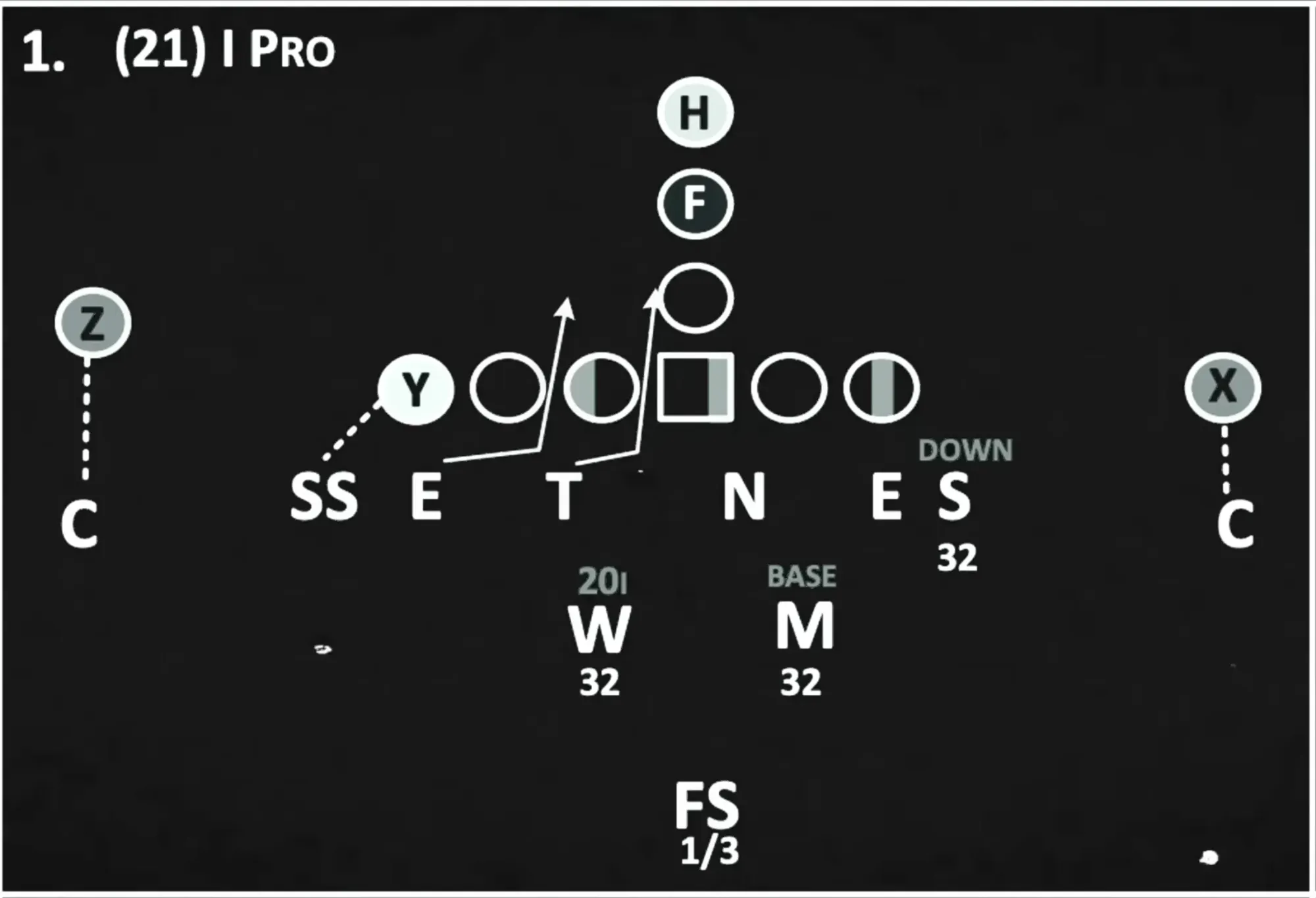
Traditional software development works the same way. You sit down to build a feature and you need to know the whole play.
It's a craft built on accumulated muscle memory, and the developers who excel are the ones who've memorized the most plays.
This works. It has worked for decades. But it has a limitation in that it doesn't scale the way you think it does, and it makes your system brittle in ways you don't notice until it's too late. When the original Ravens defense faced an offense they hadn't specifically game-planned for, they were exposed — the players knew their assignments but didn't understand the underlying principles well enough to adapt. When a traditional developer hits an unfamiliar framework or an unexpected integration challenge, they face the same problem. The memorized plays don't transfer.
Fronts - Pressures - Coverages
Macdonald's system breaks a defensive play into three independent modules. Fronts are the formation — where your linemen line up at the point of attack. Pressures are the rush assignments — who attacks the quarterback, from where, and who fakes the rush and drops into coverage instead. Coverages are the assignments behind the rush — who protects what space downfield.
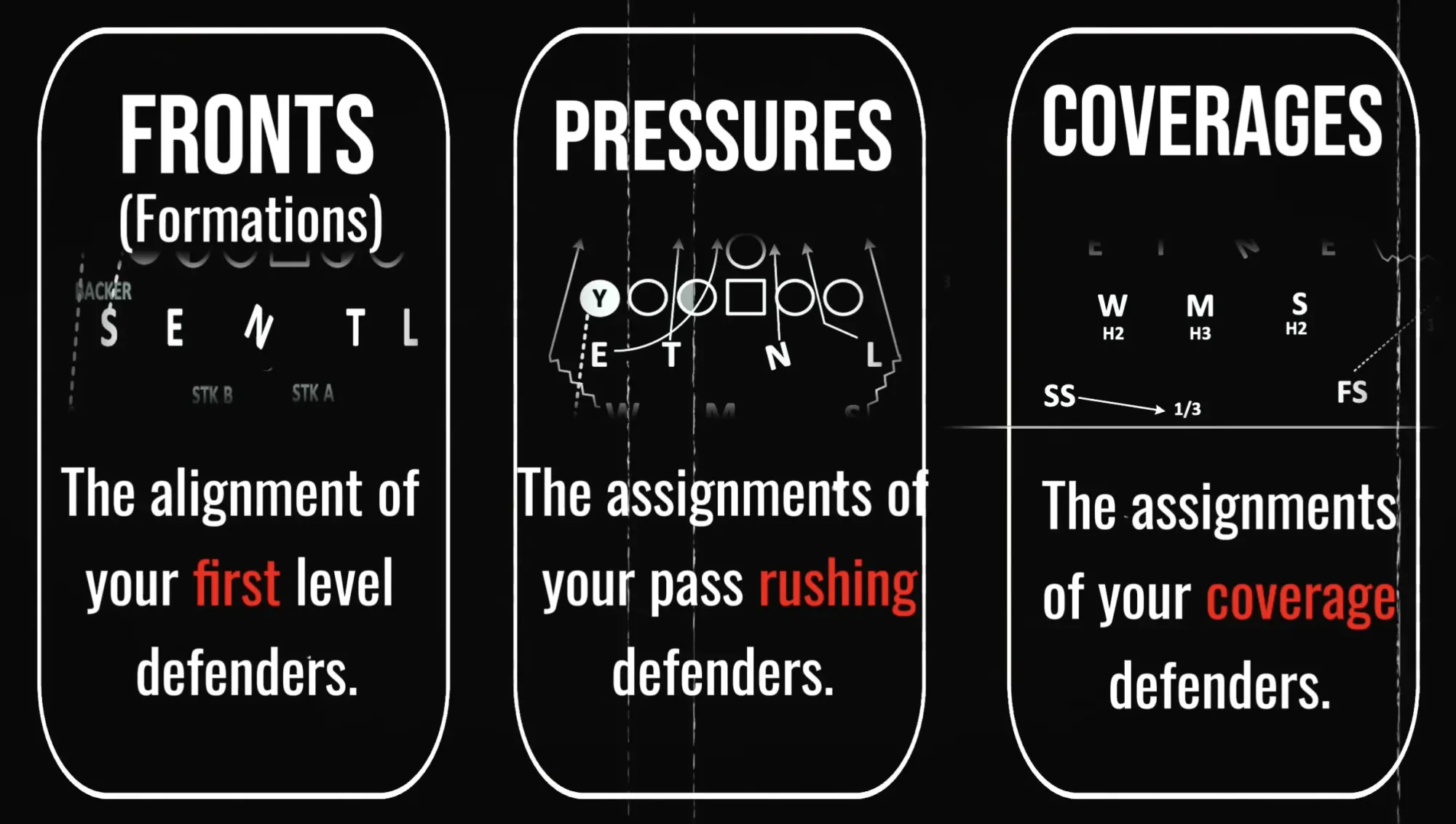
In a traditional playbook, these three layers are welded together into a single play. Play 247 is one specific front, one specific pressure, one specific coverage — an indivisible unit. Players memorize their assignment within that package. They don't need to understand the other layers because they'll never be asked to recombine them.
Macdonald unwelded them. Any front pairs with any pressure. Any pressure pairs with any coverage. The play call isn't a single instruction — it's three coordinates on a slot machine. And instead of teaching each player only their role within a fixed play, he taught the entire pattern as a unit. Every player understands all three layers — what the line is doing, where the rush is coming from, what coverage sits behind it. Brett Kollman described the approach as "pressure stations": every lineman learns to rush from every position in every scheme. They're not learning plays. They're learning the system.
This is exactly what happens when you start building software with AI assistance. You stop being the player who memorizes plays and start being the coordinator who understands patterns.
When I'm working with Claude Code, I don't need to remember the exact syntax for configuring an async retry mechanism with exponential backoff in Python. I need to know that I need one — that this API is flaky, that naive retries will create thundering herd problems, that I want jitter in my backoff timing, and that I need to set sensible limits so a downstream outage doesn't pin my threads forever. I'm thinking in pressures and coverages, not in play numbers. The AI handles the implementation. I handle the architecture.
This isn't a small distinction. It's the same category shift Macdonald introduced. The knowledge doesn't disappear — it changes altitude. It moves from syntax to semantics, from implementation to intent, from "how do I write this" to "what should this do and why."
The Interchangeability Principle
There's a deeper layer to the analogy that makes it more than a convenient metaphor. The real power of Macdonald's modular system isn't just that it simplifies learning. It's that it creates interchangeability. Because every player understands every role within a pressure pattern, Macdonald can move anyone anywhere. A safety can blitz the A-gap. A cornerback can play the flat. A defensive end can drop into coverage. The offense can't predict where the pressure is coming from because it can come from anyone..
AI-assisted development creates the same kind of interchangeability, but across technology stacks.
Need to build something in TypeScript instead of Python? The retry pattern is the same. The architectural reasoning is the same. The tradeoffs are the same. Only the syntax changes — and the syntax is exactly what the AI handles best.
I've experienced this directly. Projects that would have previously required me to spend days ramping up on an unfamiliar library or framework now take hours, because I'm not starting from the syntax level. I'm starting from the concept level, and the AI bridges the gap between my intent and the implementation. Just as Macdonald could slot a linebacker into a safety's role because both understood the pattern, I can move between languages and frameworks because I understand the architectural intent. The AI is fluent in the implementation details. I'm fluent in the why.
The screen below is very nominally written in Python - but Python as an orchestrating language combining patterns from JavaScript, Data Analytics and UX Design but at no point did I drop down into the syntax of any of these. My role was visualize and communicate how the various patterns should be combined to create an effective UI.
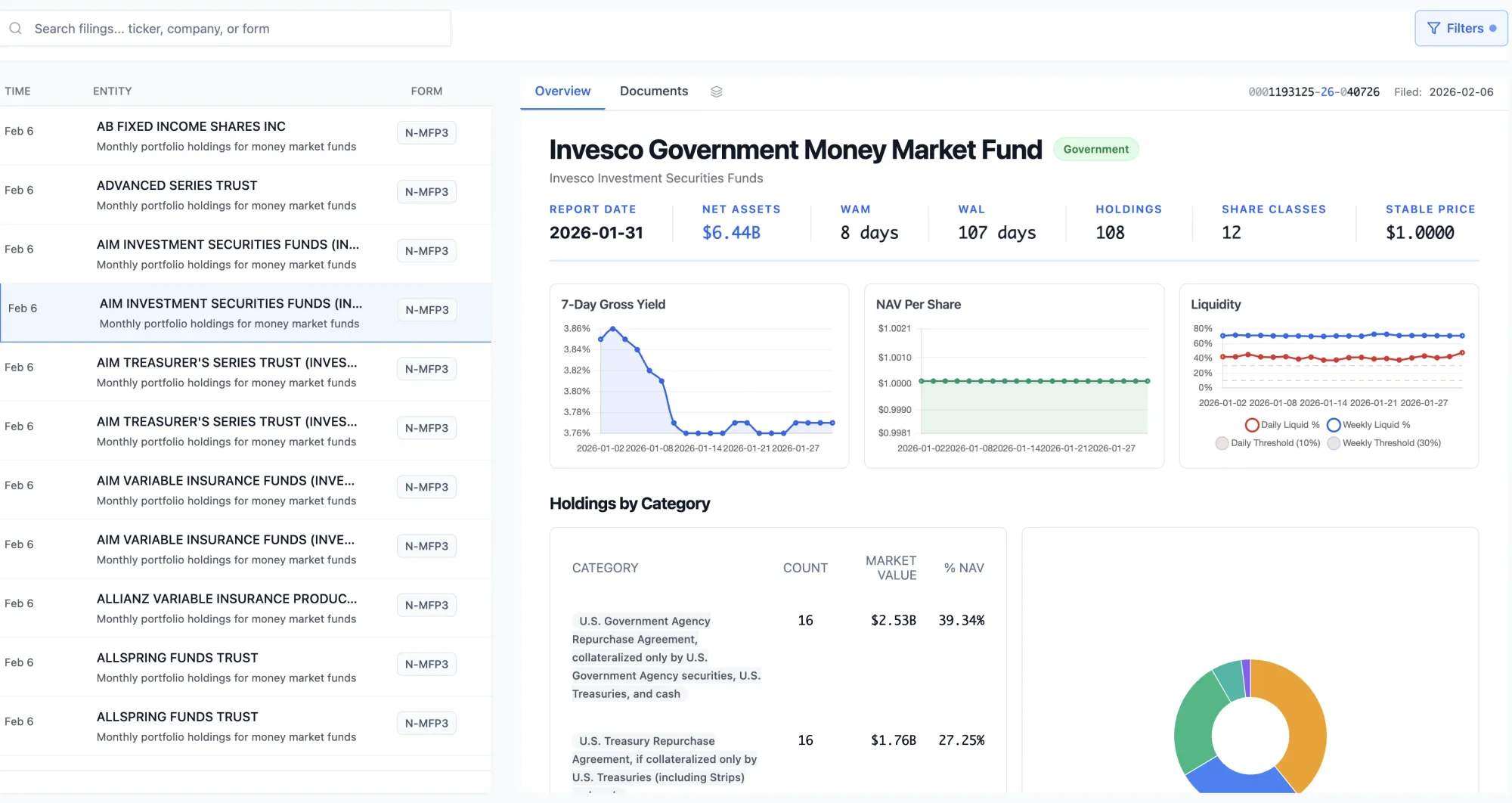
See this at Edgar.tools
The Tension Worth Naming
Here's where I want to be honest about the limits of the analogy, because the tension is actually the most important part.
Macdonald's system doesn't reduce the cognitive demand on his players. It transforms it. Every player on Macdonald's defense understands the entire pressure pattern: the front, the coverage, the rush lanes, and how they all interact. They've traded narrow, deep knowledge of individual plays for broad, conceptual knowledge of the whole system. That's harder, not easier.
The same is true for AI-assisted development.
You still need to recognize when a coverage shell is wrong for a given front. You still need to know when the AI has given you a retry mechanism that will hammer a failing service instead of backing off gracefully. The judgment doesn't automate away. It becomes more important, because now you're reviewing code that arrives at machine speed instead of writing it at human speed.
Conclusion
Macdonald's Seahawks won the Super Bowl not by out-talenting the Patriots, but by out-thinking them. A modular system, a roster of interchangeable players who understood patterns instead of memorizing assignments, and a coordinator who composed solutions at the point of attack rather than scripting them in advance. The sum was vastly greater than its parts.
The same shift is available to every developer willing to make it. Stop memorizing plays. Understand the modules — what they do, why they exist, how they compose. Direct the system. Let the AI handle the syntax. The developers who make this transition won't just be more productive. They'll be playing a different game entirely.